
The Thrill of Uncertainty
One of the most captivating aspects of casino gambling lies in the thrill of uncertainty. Players face an unpredictable outcome with every spin of the roulette wheel or flip of a card, igniting a rush of adrenaline. This uncertainty is psychologically stimulating, as the human brain often craves excitement and novelty. In fact, neuroscientific studies have shown that the anticipation of a potential win can release dopamine, the neurotransmitter associated with pleasure and reward, especially when engaging with various betting sites that offer enticing experiences. This chemical response enhances the thrill of gambling, making it a compelling activity for many.
The psychological allure of uncertainty can also lead to a phenomenon known as « gamblers’ fallacy, » where players believe that past outcomes influence future results. For instance, when a roulette wheel lands on red several times in a row, individuals might feel that black is « due » to occur. This distorted thinking often leads players to make irrational bets, driven by their desire to seek patterns where none exist. Ultimately, the unpredictable nature of gambling can lead to a cycle of excitement and disappointment.
This thrill can overshadow the inherent risks involved in gambling, prompting individuals to chase losses in hopes of a big win. This chase not only creates a dynamic of increased spending but becomes a behavioral pattern that can ensnare players in a cycle of risk-taking. The engaging experience of gambling and the emotional highs and lows it provides can blur the line between leisure and compulsion, leading many to gamble more than they originally intended.
The Role of Social Interaction
Social dynamics play a vital role in the psychology of casino gambling. Many people are drawn to the communal atmosphere that casinos provide, where interaction with others can significantly enhance the overall experience. Gamblers often gather around tables, sharing in the collective anticipation of wins and losses. This camaraderie can create a sense of belonging, which is psychologically satisfying and can serve to reinforce gambling behavior.
Furthermore, the social pressure within a casino can influence individual betting behavior. When in the company of friends, players may feel emboldened to take higher risks than they typically would when alone. This phenomenon is rooted in social facilitation, where the presence of others can enhance arousal and encourage participation. In this context, players may participate in riskier gameplay due to perceived norms or to impress their peers, which can lead to larger financial losses.

Moreover, the availability of group games, such as poker, allows for deeper strategic thinking and social engagement. Players engage in psychological battles, reading each other’s expressions and behaviors to gauge potential moves. This interactive environment not only intensifies the gaming experience but also highlights the social aspect of gambling, reinforcing the idea that casinos are not merely places for solitary games, but rather vibrant social locales.
Marketing and Environmental Cues
The casino environment itself is meticulously designed to maximize engagement and encourage spending. From the vibrant colors to the sounds of coins clinking and machines ringing, every element is crafted to create an immersive experience that stimulates the senses. This sensory overload keeps players ensnared, as they associate the casino environment with excitement and reward. Such carefully constructed atmospheres can lead to continuous play, as players often lose track of time and their surroundings.
Moreover, casinos strategically utilize marketing techniques to enhance the psychological appeal of gambling. Promotions, loyalty programs, and enticing bonuses create a sense of urgency and exclusivity, compelling players to return. Advertisements often emphasize the thrill of winning, tapping into the innate desire for success. The allure of jackpots along with the portrayal of a glamorous lifestyle associated with gambling can persuade individuals to partake in an activity they might otherwise avoid.
These environmental cues and marketing strategies work in tandem, making it difficult for players to resist. The psychology of these influences plays a pivotal role in gambling habits, as the constant bombardment of stimuli can overshadow rational decision-making. As players are drawn deeper into this world, the chances for compulsive behavior increase, often leading to financial strain and addiction.
The Cognitive Dissonance of Losses
Cognitive dissonance plays a significant role in how gamblers cope with losses. When individuals experience a loss, rather than acknowledging it as a setback, they may engage in self-justifying beliefs that allow them to minimize their pain. This phenomenon manifests as optimistic thinking, where players convince themselves that they are on the brink of a win. Such mental gymnastics can lead to continued gambling, as they believe that their fortunes are about to turn.
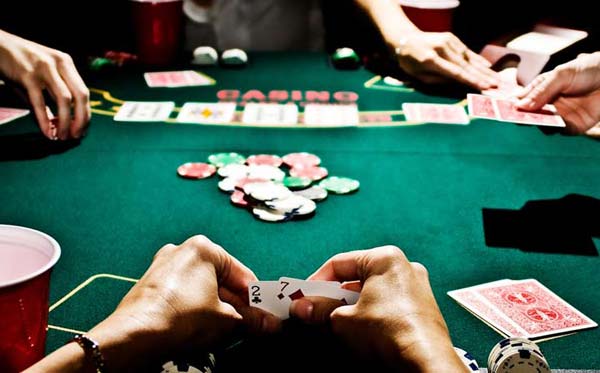
This rationalization is often fueled by the concept of selective memory, where players remember their wins more vividly than their losses. Casinos often reinforce this perception by celebrating winners publicly, which can skew gamblers’ perspectives on their own experiences. Consequently, the excitement of the potential win overshadows the realities of financial losses, making it easier for players to return in hopes of recapturing favorable outcomes.
The danger of this cognitive dissonance is its ability to foster a destructive cycle of behavior. By continuously justifying their losses and believing in imminent success, many players find themselves in a deepening financial quagmire. The psychological struggle between wanting to win and accepting losses can lead to high levels of stress and anxiety, impacting their mental health and personal relationships.
Enhancing Awareness Through Resources
Understanding the psychology behind casino gambling is vital for players and those seeking to support them. As the allure of gambling continues to captivate millions, it becomes increasingly important to educate individuals about the psychological mechanisms at play. Resources dedicated to gambling awareness can provide valuable insights into responsible gambling practices and the potential risks involved.
Websites and organizations focused on gambling education offer tools for self-assessment and strategies for managing impulses. By fostering self-awareness, individuals can learn to recognize unhealthy patterns and take proactive steps to maintain a balanced approach to gambling. Such resources often emphasize the importance of setting limits and seeking help when necessary, thereby reducing the risk of addiction.
Moreover, communities can play a significant role in promoting responsible gambling. Support groups and workshops can create environments where individuals can share experiences and strategies for coping with gambling’s psychological challenges. By increasing awareness and accessibility to supportive resources, players and their loved ones can navigate the complexities of casino gambling more effectively, potentially reducing the incidence of gambling-related harm.